
From PLA to a New Generation of Biopolymers
The first generation of bioplastics was represented primarily by PLA, or polylactic acid, produced for example from corn starch or sugar cane. PLA marked an important shift towards renewable raw materials, but its use in textiles has been limited by poorer mechanical properties, lower thermal stability and, often, the need for specific conditions in order to biodegrade. Current development is therefore moving towards materials that can offer performance close to polyester while reducing environmental impact.
Bio-Polyesters Designed for the Textile Industry
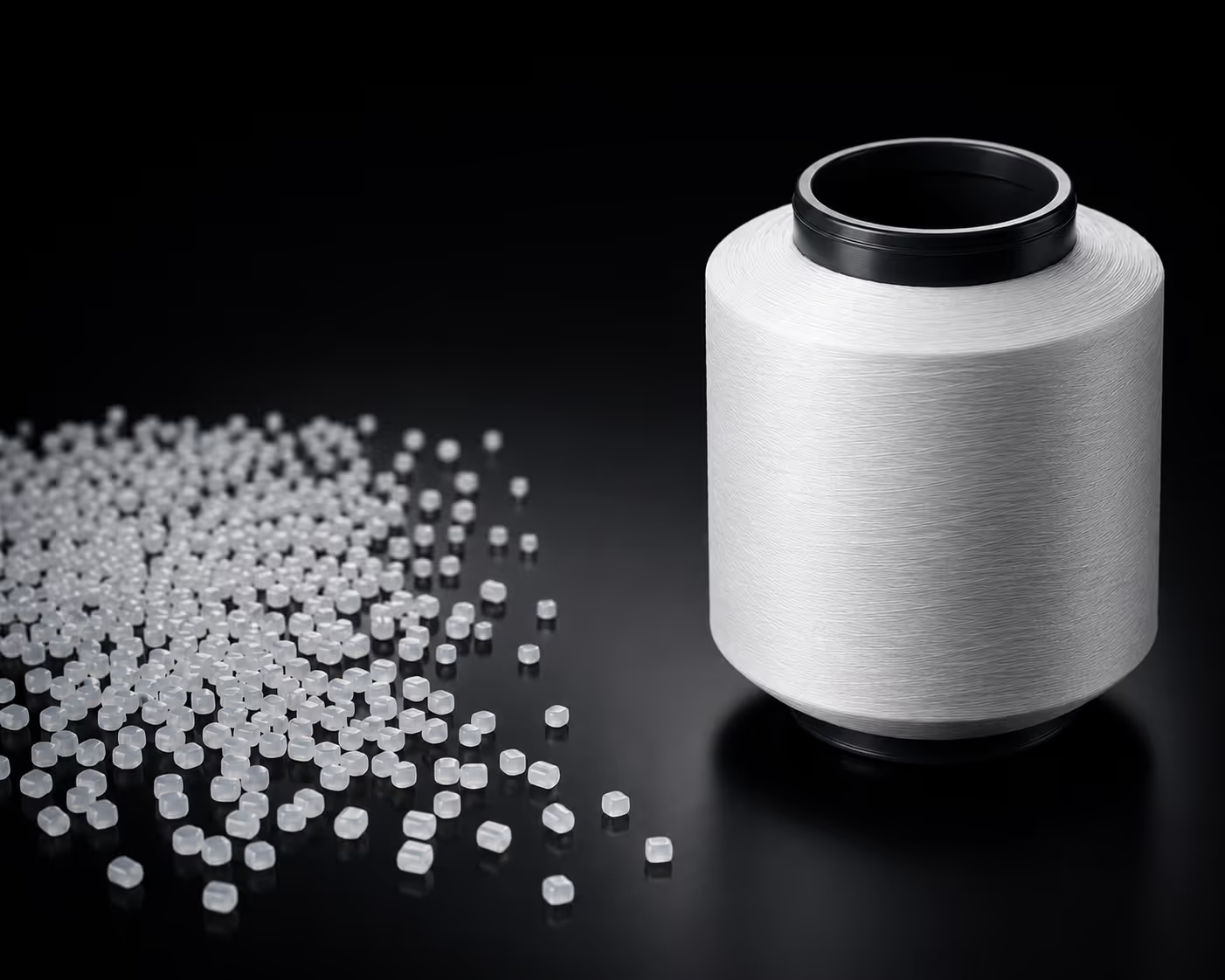
One of the new projects in this field is Mariva™, a material developed by the Dutch company Mariva Materials. It is not a conventional PLA-type bioplastic, but a new polymer platform designed specifically for textile applications. The material is conceived as a biodegradable, bio-based alternative to polyester that is compatible with existing polyester production lines. This ability to function as a so-called “drop-in” solution is crucial for the industry, as it allows manufacturers to use existing infrastructure without the need for extensive technological changes. Mariva received the Techtextil Innovation Award 2026 in the New Material category and is aimed primarily at sportswear and functional textiles. The material was developed with an emphasis on circularity and is chemically recyclable.
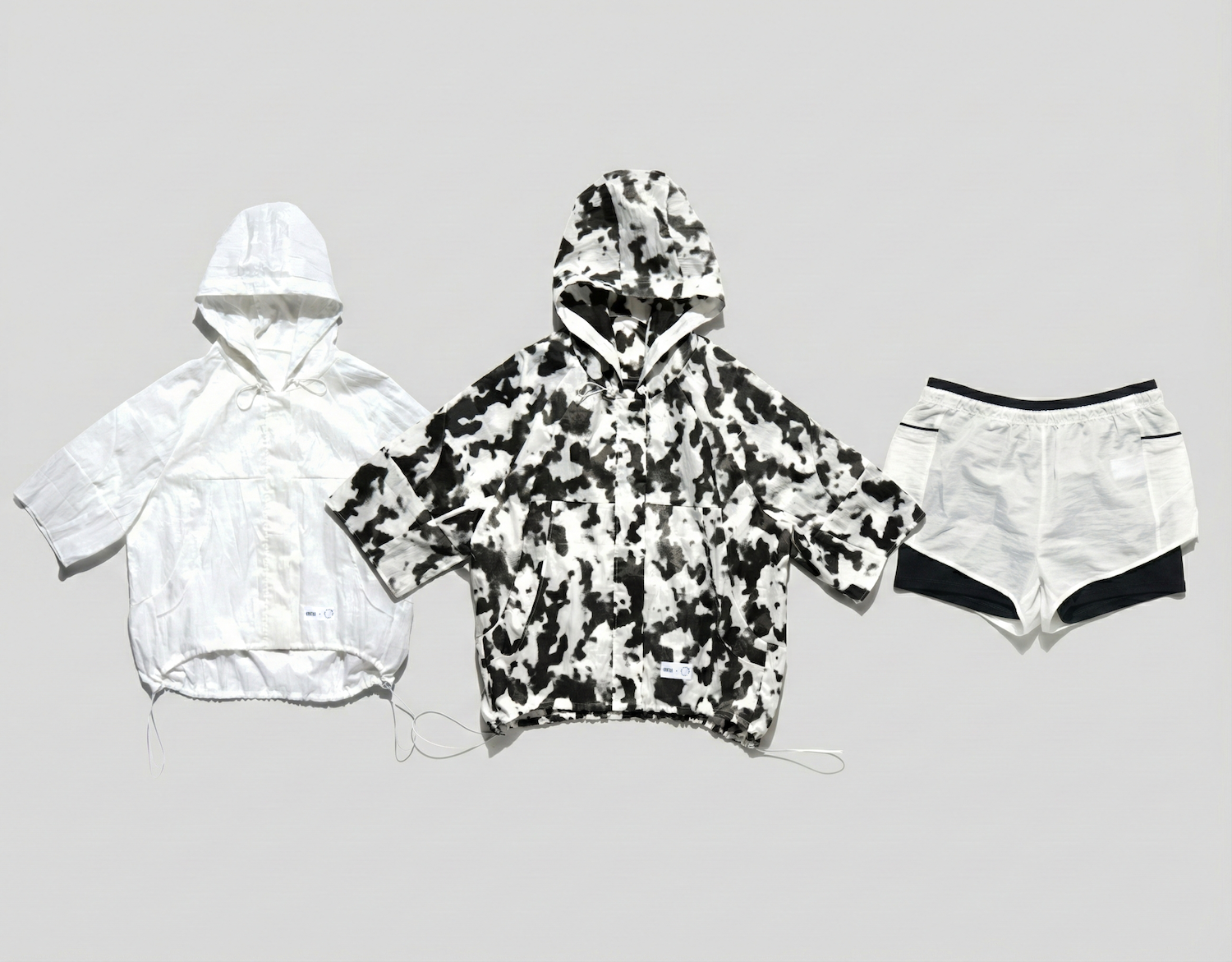
Alongside Mariva, other bio-polyesters for the textile industry are also being developed, including those by the American startup Kintra Fibers and the Swiss material OceanSafe naNea. Kintra Fibers is developing a new bio-based polyester based on modified PBS, or polybutylene succinate. The material can also be processed on standard polyester spinning lines, is intended mainly for sportswear and technical textiles, and combines biodegradability with properties close to those of synthetic fibres. It can be recycled both chemically and mechanically.
A similar direction is being pursued by naNea® from OceanSafe – a biodegradable co-polyester designed as a direct replacement for polyester. What makes the material particularly interesting is that it biodegrades relatively quickly without the use of additives or enzyme-based compounds, the ability to break down is built directly into its polymer structure. OceanSafe reports biodegradation of more than 93% within 99 days in a marine environment (according to ASTM D6691), while also stating compatibility with standard polyester production processes and recycling streams. The company further states that naNea is the first synthetic textile material to receive Cradle to Cradle Certified® Gold certification for the biological cycle.
What all these projects have in common is an effort to create a new generation of synthetic fibres that retain the functionality of polyester, while being designed for circular lifecycles, biodegradation and a significant reduction in microplastic pollution. Another advantage is that such materials can be produced from biological waste, reducing dependence on crops grown specifically for biopolymer production.
In addition to the materials mentioned above, further projects are currently emerging that focus on biodegradable polymers, circular synthetic fibres and alternatives to polyester based on cellulose, proteins or microbially produced biopolymers.
Why the Microplastics Problem Matters
Every wash of synthetic clothing releases microfibres, which then enter aquatic ecosystems and beyond. Today, microplastics are found almost everywhere: in oceans, soil, drinking water and food, as well as in the bodies of humans and animals. This is precisely where biodegradable bio-polyesters become highly relevant. If fibres are released into the environment, they should not persist for hundreds of years like conventional polyester, but should instead break down.
Bio-polyesters seek to address this problem by combining biodegradability, the potential for chemical recycling and high mechanical stability during use. The material will not degrade while being worn, but only after the end of its lifecycle.
The Future Is Not Only About Fibre, but About the Entire System
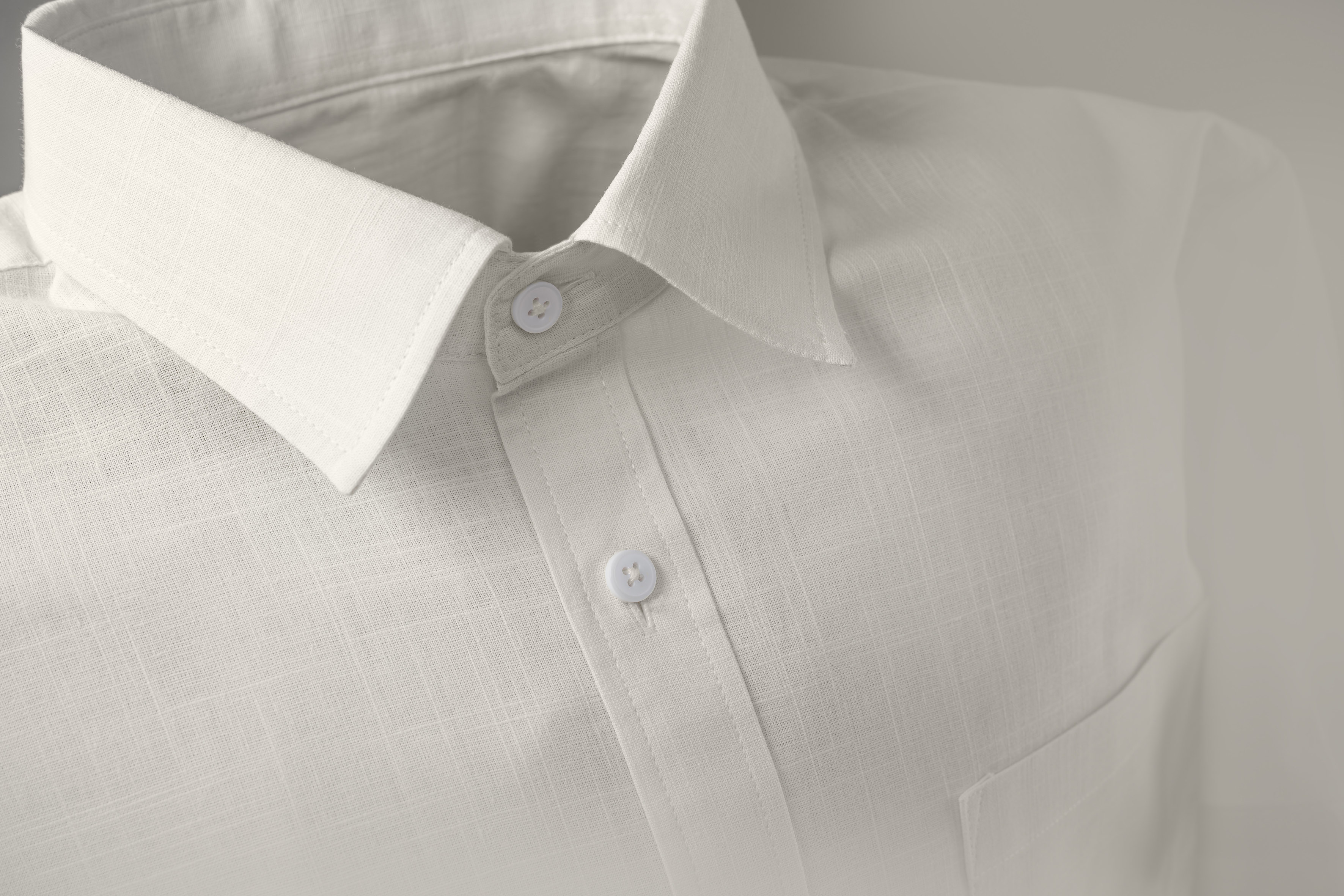
The development of new fibres also shows that the future of textiles will not depend solely on the material itself, but on the entire construction system of a product. Even garments made from biodegradable fabrics often contain polyester sewing threads, elastane or other components that complicate recycling and decomposition.
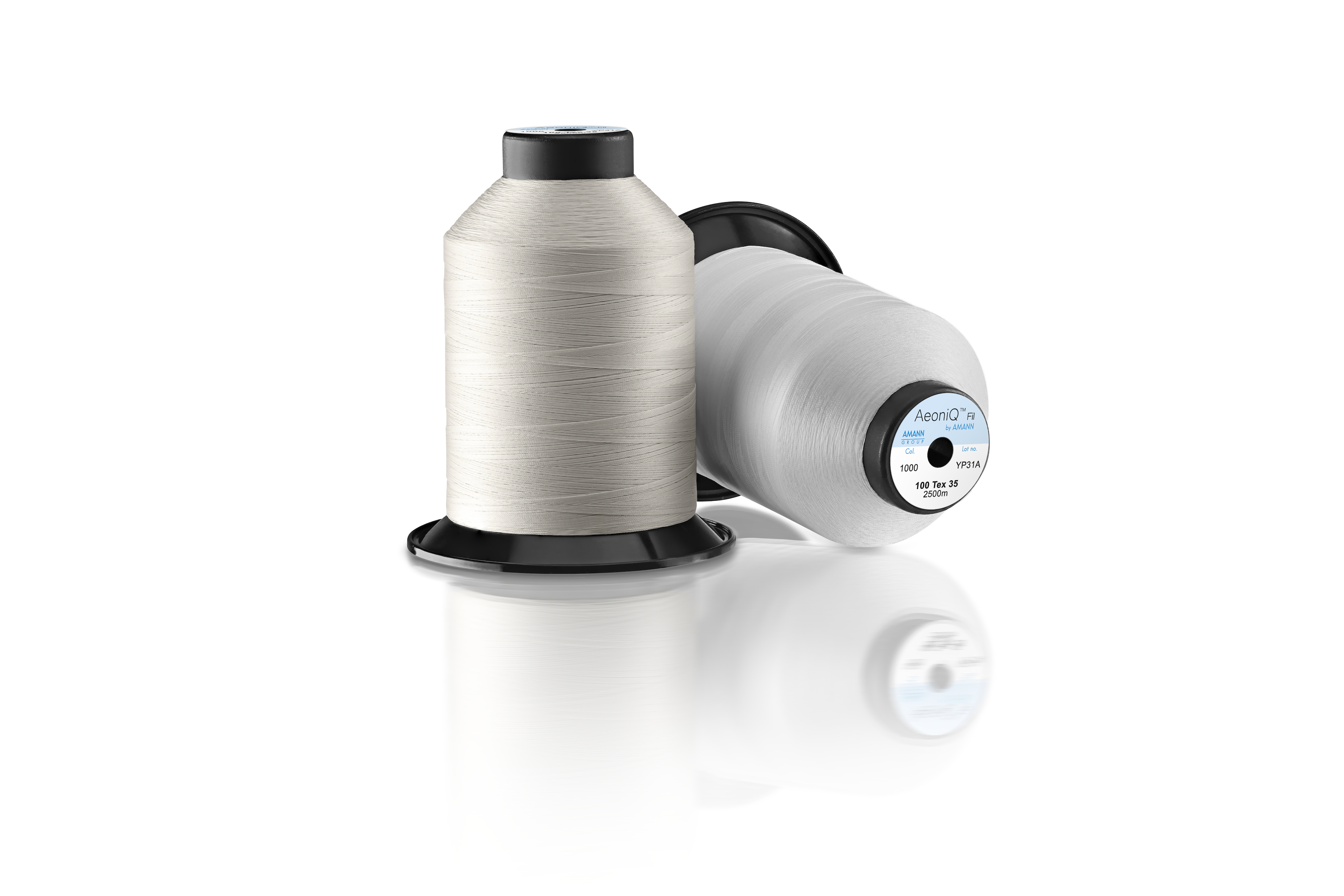
This is why new biodegradable sewing systems are also emerging, such as AeoniQ™ Fil by AMANN Group, made from 100% regenerated cellulose. Unlike traditional biodegradable threads made from cotton, linen or viscose, AeoniQ Fil is designed to combine a renewable cellulose base with mechanical properties and processability closer to modern polyester sewing threads. This combination is key to its potential use in industrial garment production.
If textiles were made from bio-polyesters, natural or other biodegradable yarns, and at the same time used biodegradable threads such as AeoniQ Fil, products could be designed as truly circular wholes. This represents an important shift in thinking. For a long time, attention focused mainly on individual fibres. The future of textiles, however, will probably depend on a complete material ecosystem: compatible polymers or natural materials, non-toxic finishes, recyclable constructions and the possibility of returning materials biologically to the environment at the end of their lifecycle.
Are We Moving Towards a Post-Polyester Era?
Current developments suggest that the future of textiles will probably not lie in abandoning synthetic materials altogether, but rather in redefining them. Bio-polyesters and new generations of biodegradable filaments point towards materials designed for circular lifecycles, improved recyclability and decomposition without the formation of persistent microplastics. Which technologies will actually gain ground, however, will depend above all on the possibility of scaling production, economic accessibility and real environmental benefit. Many materials have been presented in the past as the future of sustainable textiles, without ultimately achieving broader industrial adoption.
In this context, Kasper Nossent from Mariva notes: “In twenty years, cotton will be a luxury material, much like silk is today.” Given the growing global population, the high water consumption and the intensive use of pesticides associated with cotton cultivation, it cannot be ruled out that the availability of this currently common natural fibre will become more limited in the future – and that the need for alternatives will become even greater.
At the same time, it is becoming clear that biodegradability is not an automatic property, even in the case of natural materials. The decomposition of fibres depends on the specific environment, access to oxygen and chemical treatments. The environmental impact of textiles therefore cannot be assessed solely on the basis of fibre origin, but must be evaluated across the entire lifecycle of the material – including production methods, surface treatments, options for recycling or biodegradation, and the efficiency of textile waste processing.
Lead image: Photo: Mariva™, Mariva Materials
The author works as a consultant at the matériO' Prague materials library.